
Want to increase your lifespan or stay healthy longer? Want to avoid isolating loneliness in retirement? How about improving your emotional and physical well-being? As reported in a recent Washington Post article, research demonstrates that older volunteers have fewer heart attacks, lower blood pressure, less likelihood of depression, and greater life satisfaction. The cited study even characterized volunteering as a public health intervention.
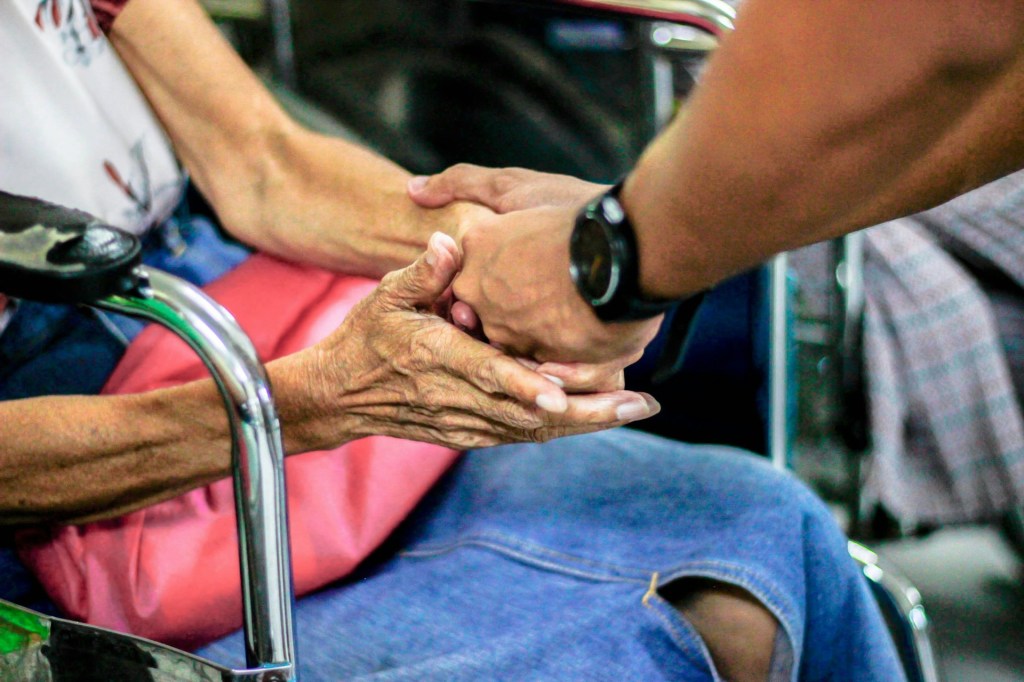
Seoyoun Kim and her colleagues at the University of Michigan compiled data on epigenetic age acceleration on retired and working older adults and concluded that volunteering can slow epigenetic aging among those who volunteer frequently. Epigenetic aging is a measure of the biological age of the body’s cells and tissue, rather than chronological age.
Retired persons are likely to have more time to contribute than younger persons, though there is also evidence that many younger workers also make time for volunteering. Kim’s study focused on those 65 and older, analyzing data from the Health and Retirement Study, a longitudinal study of 20,000 older adults.
I’m currently interviewing older adults (55+) about their volunteer habits for a book manuscript: Volunteerism In Older Adults: Enrichment Through Service to Others. However, it isn’t only older adults who benefit from volunteering. Volunteers of every age find service to others rewarding. In fact, everyone I’ve interviewed so far has a history of volunteering when they were younger.
First of all, what is considered volunteer service? It’s easy to categorize a Meals on Wheels driver as a volunteer, because they donate their time on a regular basis to an organization with a well-defined purpose serving meals to elderly clients. But this is far from a complete picture of volunteering.
Any time a person acts for the benefit of another person, group, or community without being paid, they are doing voluntary work. Why do so many people donate their time for free? As every volunteer knows, benefiting others also benefits themselves, at the very least in the good feeling of knowing their time has been helpful to someone else. Through my interviews with older volunteers so far, I’ve discovered all of them perceive personal benefits from their work. Examples of these benefits include:
- An expansion of empathy for others
- A sense that skills they’ve developed in a professional career are useful to others
- A sense they are valued for their contributions of time or talents
- Opportunities to learn new skills or gain confidence
- Development of relationships with other volunteers, who often become friends
- Feeling a part of something bigger than themselves
- Moving the focus from themselves to other people, a well-known antidote to loneliness or depression
- Recognition of the power of people united in purpose to achieve community change
- Discovering new life purpose in retirement
- Opportunities to pursue personal passions or causes
Volunteer efforts don’t need to be heroic or grandiose to be valuable. While there’s a difference between formal and informal volunteering, both are worthwhile. Literally every person has something to offer, even if it’s just a listening ear. The Meals on Wheels driver is a formal volunteer who works with an organization that provides scheduling, supervision, and training to their volunteers. It’s much easier to characterize formal volunteering because their tasks are defined by the sponsoring organization. But informal volunteering provides services that are just as beneficial.
Informal volunteers typically don’t work with a structured organization. A grandmother who chooses to care for grandchildren while their parents work is serving both the children and the parents by providing the children with loving care and relieving parents of the cost of childcare. A neighbor who shovels snow off a friend’s driveway is serving another’s immediate needs. Serving a meal to low-income residents of a senior center and sitting down to eat and converse with them improves the atmosphere in their community and forms relationships. There are thousands more examples.
While I intend to interview several individuals at length who perform regular, formal volunteering tasks, I also want to recognize the service of informal volunteers. To that end, I’m planning a separate chapter in the book with short stories about those who volunteer intermittently or informally.
I’m actively soliciting stories for this chapter. If you or someone you know is willing to share a service they provide to others, I would very much like to hear about it. Stories need not be long or complicated. A paragraph or two describing the work and the perceived benefits and challenges would be enough. Please note in the comments if you can recommend someone.
 Janice Airhart
Hi Janice…I know of someone who volunteers formally and also intermittently. I think he’d have some great input for your book. You can contact me privately for his contact info. I’ve already asked if he would be interested in contributing a story. I’m a member of SGWL but do not have an author profile. My email is dina4k@gmail.com
LikeLike