
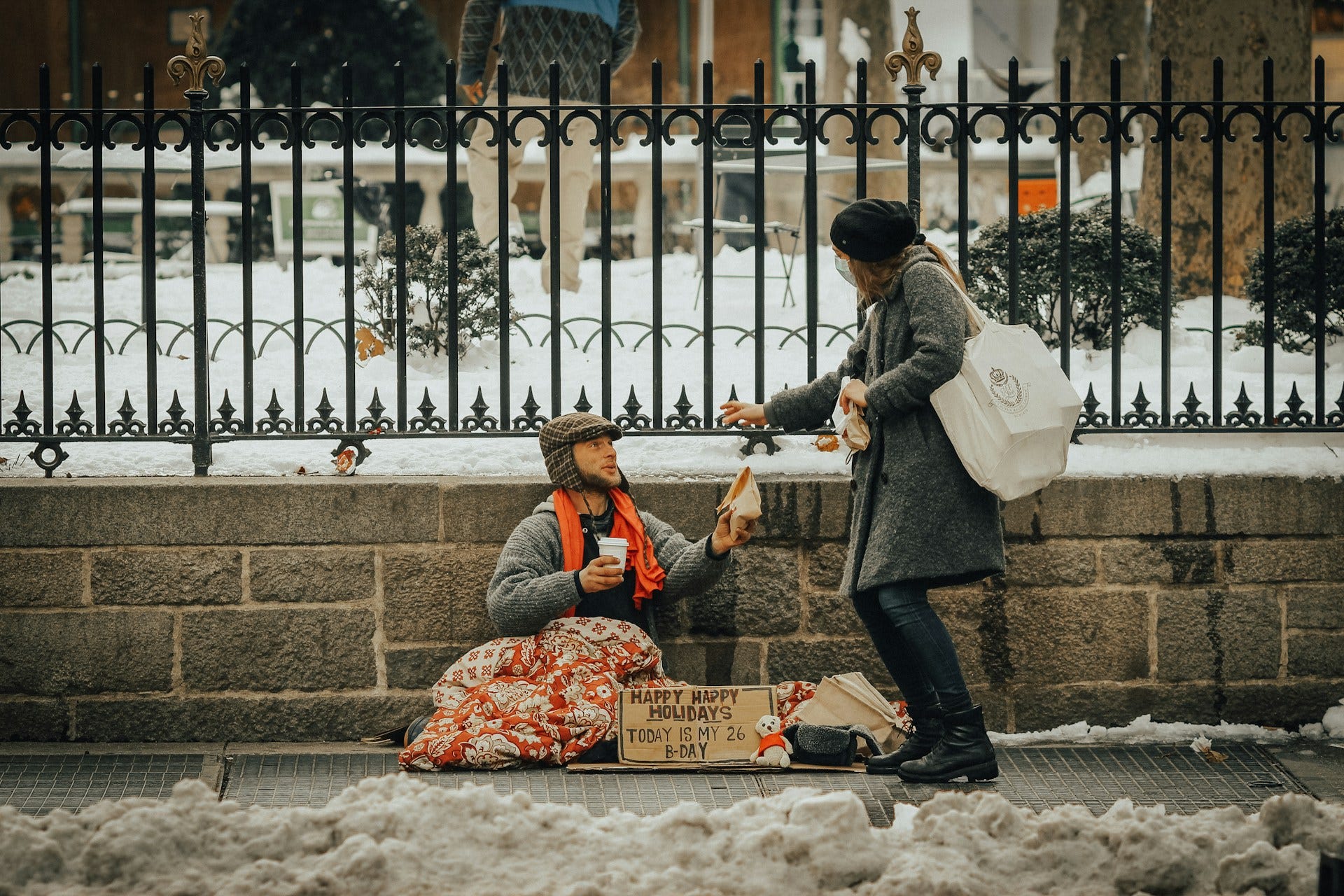
All the people I’ve interviewed so far for my book about the value of volunteering by older adults have confirmed one of my book’s suppositions. Research studies demonstrate that individuals who volunteer to serve others—whether those others are strangers, friends, or family—enjoy better quality of life. I hope to soon have many more stories that support this particular statistic.
I had an interesting conversation last week with a native of Israel who now lives in Maine. She and her husband managed a motel for many years before they finally retired three years ago. Ariela is 76. She said running a motel was time-consuming; they had crazy schedules, but she always found time to volunteer. Now that she’s retired, she feels almost obligated to spend her time this way.
“I feel better when I can still be helpful to people,” she said. “I believe strongly that volunteering is a way to feel that you still have something to contribute, that you’re part of society.”
In the past, she’s been involved in Meals on Wheels, training seeing-eye dogs, working at a cat shelter, assisting a local literacy agency, teaching adult education classes, and working with children with learning disabilities. Currently, Ariela is acting as a “listener” on a site called 7 Cups that provides a listening ear online to anyone who needs one. Listeners are not therapists, although they can refer clients to one. “It’s like talking with a friend.”
Ariela and her clients remain completely anonymous as far as name, age, and location. However, she thinks many of the people she communicates with through 7 Cups are young people. Based on the language they use, she thinks most are probably in their 20s. “They complain they are lonely or depressed,” which she thinks is a modern-day epidemic.
“I often tell them they should get out and volunteer.” Unfortunately, as far as she knows, no one has. Instead, they respond, “Why? Why should I spend my time on something that doesn’t pay?” Like Ariela, I wonder if this is a new attitude in American society in general, or simply an attitude of the young.
I’ve discovered that those who have a long history of volunteering usually have had role models in their lives who demonstrate the value of serving others. This was not true for Ariela, however. She said no one modeled that for her but that she actively promoted volunteering for her daughter. Ariela was homeschooling while they trained the dogs in their care, so it became part of the curriculum. “It was a wonderful way to demonstrate to our daughter that you can do things for others. It worked pretty well. I’m pleased.”
Is there an innate need to serve other people? When I taught English to college freshmen, my course theme was “Pursuit of Happiness.” During the semester, we read articles, watched films and videos, and surveyed other college students on campus about what made them happy. I will always remember a segment in a 2011 documentary we watched that was called Happy that suggested young children are born with an “altruism gene.”
A 2020 National Science Foundation study suggests that, rather than genetic, altruistic attitudes begin in infancy. They studied 100 19-month-olds and found that most were likely to share a snack with another needy person. They suspect there are social and cultural factors that shape the attitudes and suggest that modeling by trusted adults can develop a child’s prosocial behavior.
Another study published in the Journal of Experimental Child Psychology in 2023 investigated “hyperaltruism” (a tendency to prioritize others’ welfare over your own) among children ages 3 – 14 from different cultures: US, China, and Samoa. They found that older children demonstrated more egalitarian sharing of positive (desirable) resources and more altruistic sharing of negative (undesirable) resources. The older children also tended to reduce harm to others more than to themselves. Overall, US children were more egalitarian, while Chinese children were more altruistic.
Both egalitarian and altruistic tendencies are positive attributes that indicate concern for the well-being of others. Either tendency might bode well for these children’s willingness to give of their time to help others as they grow older. However, both studies indicate that parents and trusted adults can instill these values.
That said, there are many valid reasons individuals do not engage in volunteer work, despite altruistic inclinations or the presence or absence of early role models. Career demands. Financial situations. Physical or mental disabilities. Lack of opportunity. These and many more situations may work against a person’s innate desire to contribute time to others’ well-being. My interview subjects have shared these and other challenges, which I hope to explore in a future post.
 Janice Airhart