
I’m not a prognosticator and don’t presume to know what 2026 will bring. However, at the top of my mind are hopes for the vitality of our shared democracy. The past year has been traumatizing, with deliberate state-sanctioned cruelties and gleeful destruction of institutions intended to serve citizens. At the same time, wealth has been concentrated more and more in the hands of those who already had too much—and they’re not giving any of it back.
I’ve never articulated New Year’s Resolutions for myself per se, written or verbal. However, my disposition toward planning and organizing leads me to create goals for the new year. First, I have a book contract and am compelled to complete the manuscript in May for Lived Places Publishing, the academic publisher who has published two of my previous books. Other nebulous goals include learning more complicated weaving techniques, keeping up with reading for my book group, administering two Substacks (Truthify for my local Indivisible group and my own), and continuing to participate in organized political activities—rallies and protests—as I’m able.
Another more important goal, one that is deeply personal and compelling, is related to the book I’m working on, Volunteerism in Older Adults: Enrichment Through Serving Others. The concept for the book arose from a long-held personal ethic of volunteerism. The book’s audience is students in social work or other programs who will eventually work with older adults and potentially recommend participation in volunteer work for their clients’ benefit. The book promotes volunteerism as a means to longer life, improved health and sense of well-being for adults over 55, and development of enriching relationships to ward off loneliness. Research has demonstrated these benefits, but I’ve chosen to present not only data but stories about those who actively volunteer. My interview subjects testify to the benefits and challenges of both formal and informal volunteering. I believe stories are more compelling than statistical data alone.
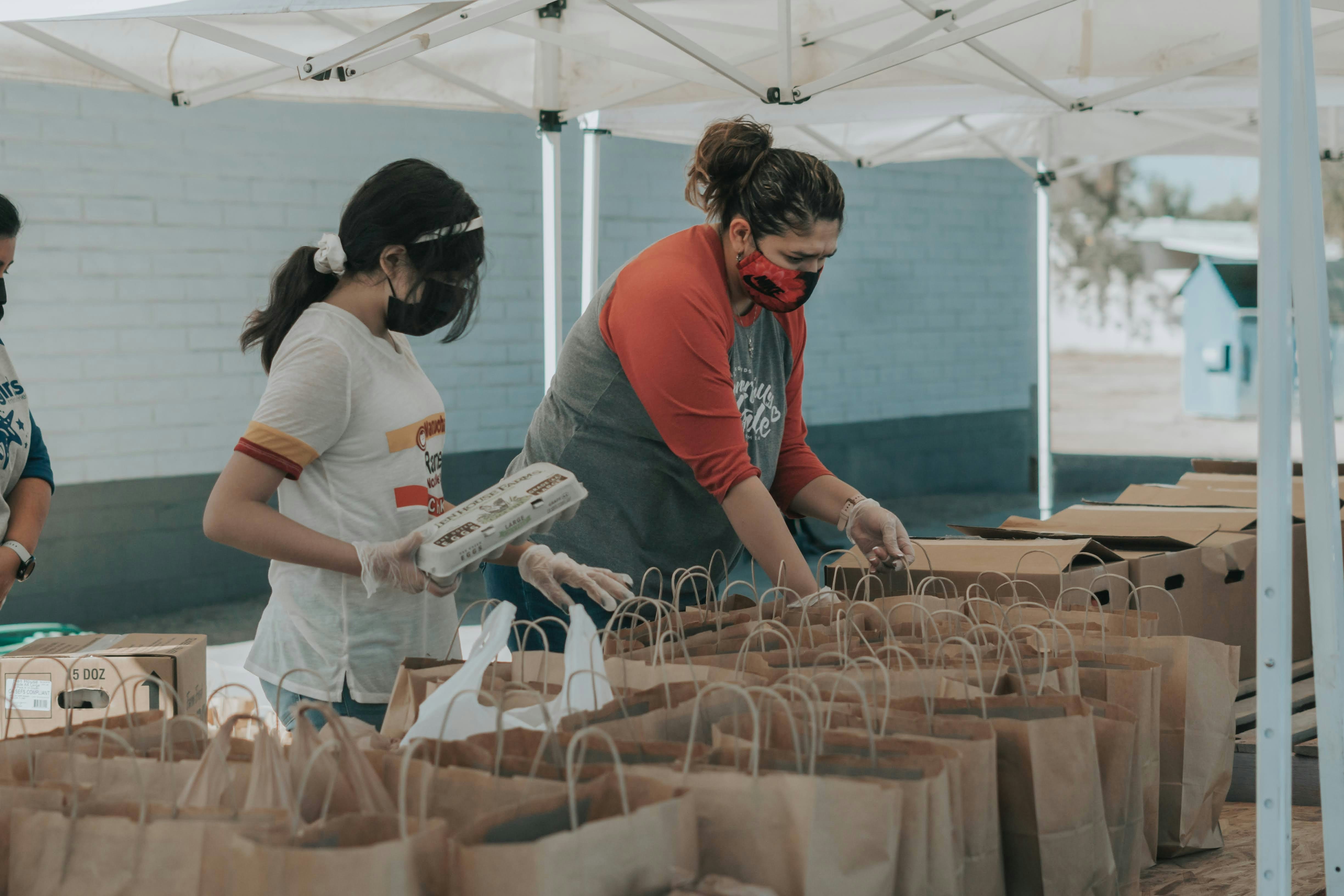
Serving others was modeled to me by my father and stepmom. Dad was a scout leader for my brother’s troop. Both Dad and Mom were perennial volunteers with our church, while also serving as co-treasurers for the credit union Dad’s company operated for employees. Their actions made it clear that those of us who have time and resources are obligated to share with others.
My volunteer experiences began as a young mom, when I was shocked to discover that some parents abused or neglected their children. How had I not known this before I became a mom myself? Outraged that this was possible, I attempted to form a community group devoted to ending child abuse. Unfortunately, I was severely lacking in skills and maturity. My efforts went nowhere, but I wasn’t satisfied with defeat. In the years since, I’ve grown my volunteer muscles. The past four decades have been filled with opportunities to learn how to serve others and build relational skills. I’ve served by:
· organizing classes for parents of children who’d been abused or neglected, in conjunction with a volunteer coordinator from the state child welfare agency
· tutoring with Laubach Literacy International
· mentoring youth in foster care
· mentoring teen moms
· completing a year of instruction and legislative action as a Kids Count leader (through the Annie E. Casey Foundation)
· serving on a few international medical mission teams
· answering phones at my county’s child advocacy center
· teaching ESL students at my local library
· reading with kids at a dual-language elementary school
· making and delivering sandwiches to homeless folks in my community
Every one of these volunteer activities taught me something about compassion and the challenges faced by the people I served. I’m indebted to those I served for and with for the lessons.
While it may seem that my interests in political protests and in serving others are incongruent, they are not. Political protests are an active and positive way to express my dissatisfaction—anger even—at the direction our political leaders are taking. At the deliberate cruelty against immigrants, citizens, and those with whom they disagree. And the delight taken in such cruelties. Many in this nation are suffering intentional harm. Protesting helps me express what I oppose. But what about what I propose instead? Both are important.
It seems to me a natural response to the cruelties I witness in the news is to use what resources I have to improve the lives of those being harmed. I recently read, “the best resistance to the bad is the practice of the good,” and it’s consistent with my internalized philosophy about helping others. I’ve also read that in uncertain times, “do the next right thing.” Another piece of advice I’ve often seen to counteract depression proposes, “do something for someone else.” None of these wise nuggets is easy to accomplish, but I’m convinced they’re my best defense against despair.
Granted, some of my volunteer activities are not grandiose or splashy. They don’t use exceptional skill or make the news. However, even small acts of kindness that improve someone’s circumstances can set them up for success. In the midst of ongoing 2026 political chaos, this might be all I can manage, and alongside my protests it will need to be enough.
What about you? How can you act in 2026 to make life better for someone else? I guarantee your actions will make life better for you.
 Janice Airhart