
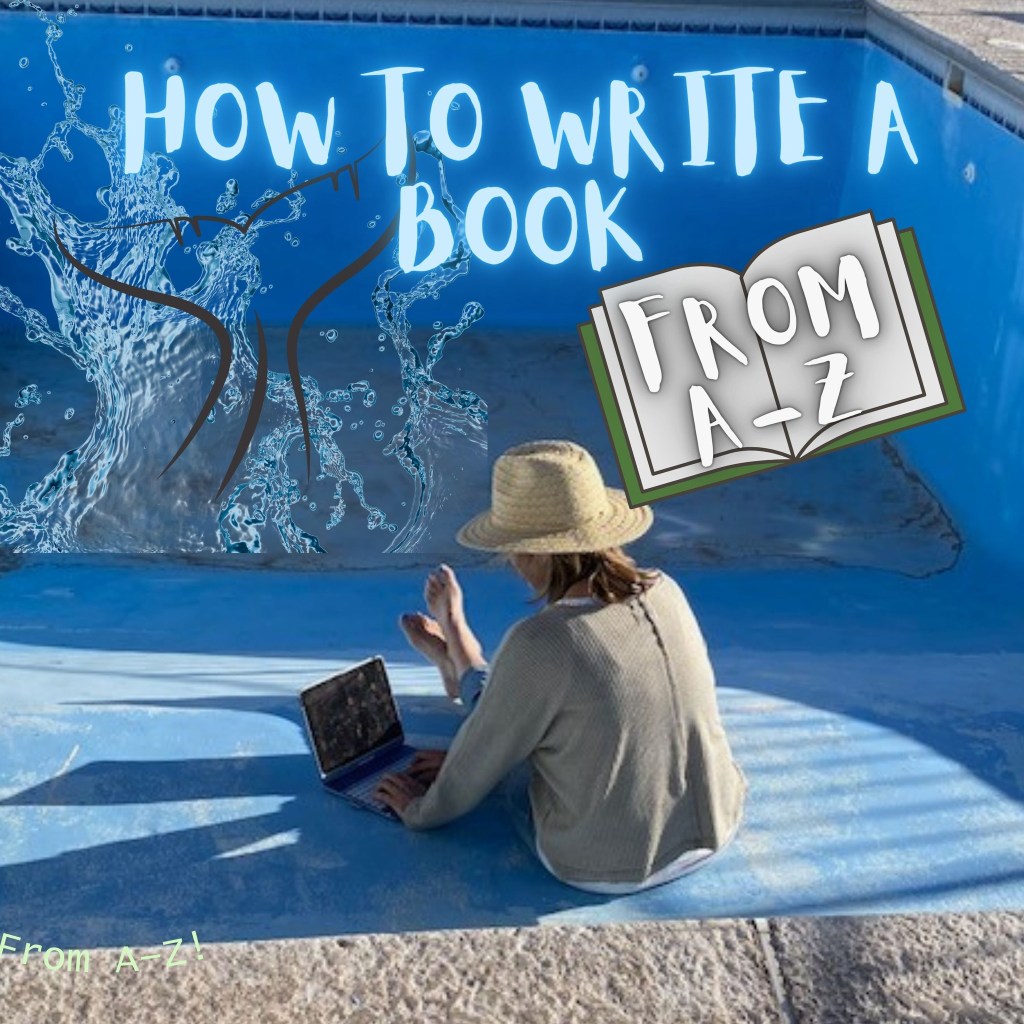
I was interviewed for a podcast last week: How to Write a Book from A to Z, a product of the San Gabriel Writers’ League. The host is Lisa Greinert, a League member. So far, all the guests have been members as well, but it’s only a few months old and expected to expand. The podcast presents some exciting possibilities for writers at every level, by highlighting writers’ diverse journeys and writing processes.
This was my first recorded interview, and I was nervous. I discovered in the process of preparing for it that it helps to know the host—or at least know about them and know who the audience is. Lisa happens to be in a memoir critique group with me, so we’re familiar with each other. The audience is fellow writers, my people, in other words. I appreciated that Lisa sent me in advance the basic questions she asks each guest, so I could think about my answers prior to meeting with her via Zoom. I was also thankful for the convenience of doing the interview completely online.
There are a few challenges for me with an audio recording, though. My voice always sounds different to my ears when I’m speaking than it does from a recording. I suppose my thick skull (and meaty brain, of course) change the pitch, a few degrees lower. A coworker called me once and didn’t recognize me when I answered the phone. “It sounded like an old lady who answered,” he told me later. Ouch! Considering this was when I was a couple of decades younger at the time, this hurt.
As a former teacher, I’ve taught myself to eliminate most of the “uhs” and “you knows” from my speaking, which can be difficult for listeners. I’ve replaced those placeholders with silences, which can sometimes be awkward as well. Between the old-lady voice and the awkward silences while thinking of the best way to express myself, I was wary of sounding like a complete idiot on audio. Fortunately, Lisa’s good at editing, in addition to interviewing, and it came out well. I scrambled for the right words a time or two, but I don’t think too obvious.
I’m more comfortable with writing my thoughts, because it gives me time to consider the best words to use and time to think what I really mean to say. Composing on my laptop also provides the two most useful features of digital media: cut and paste, which I use liberally. However, I’m learning to articulate my thoughts more extemporaneously. It’s harder than it sounds, and again, I have my teaching career to thank for any progress I’ve made. One of the fundamentals of lecturing to students or explaining a concept is convincing them you know what you’re talking about. Speaking at events for my book has helped me hone my skills as well. I still get nervous before an event, but if I’m prepared in advance, I usually become comfortable quickly. I’ve been told that the key to being at ease when public speaking or teaching is to know your material well. No one knows my story better than I do. In fact, I’ve discovered I enjoy talking about writing or about the story I’ve written. Who doesn’t love talking about themselves, after all?
My guest interview was less painful than I expected. I’m even hopeful there will be more opportunities to share any wisdom I’ve gained about writing via future podcast interviews. Here’s a link to the audio file if you’d like to take a listen. If you have time, check out Lisa’s other interviews with writers, one as young as fourteen, and a writer who’s also a magician! You can follow the podcast on Facebook by clicking here. If you’d like to be interviewed for How to Write a Book From A to Z, drop me a line and I’ll see what I can do. The San Gabriel Writers’ League is a wonderful organization of more than 100 writers of every genre you can imagine from Texas and beyond. If you’re a writer, explore what they have to offer. Maybe I’ll see you at a virtual or in-person meeting someday.
 Janice Airhart